

Window Repairs You Shouldn't Ignore
If your window isn't able to open and close easily it could be a sign of a leaky seal. Heat-induced expansions or contractions can cause damage to seals in double pane windows over time which allows dirt and moisture to get inside.
Wood rot is also a problem in window sills and frames. The early repair using epoxy wood filler can prevent expensive repairs later.
Cracks and Chips
A damaged window isn't only ugly, it can be dangerous. It exposes the window to more water and breakage which can lead to a problem with mold. If you want to keep your family safe and your windows intact It is crucial to fix any cracks or chips as soon as possible.
The most common items that can crack your window are rocks and pebbles that are thrown by the car in front of you, or even Dolichovespula maculata seeds (no, that's not an actual plant, it's a bug). These cracks can be repaired.
This method is a good option to repair single-paned glass in homes or even double-paned windows with a crack on only one side. It won't work for windshields that require a special tool to inject resin into the crack and create an air gap between the glass layers.
First, clean the area where you're planning to repair the crack using glass cleaner. Then, use a pin or thumbtack to remove any loose shards of glass in the crack. Also, you should clean the surface with acetone or rubbing alcohol to ensure proper adhesion of the repair material.
Certain methods claim that a repaired crack is virtually undetectable. While this is true for certain types of repairs, it's not a realistic goal for many, particularly for small cracks in the glass. Repairing these cracks can stop them from becoming bigger problems, and may even stop the spread of these cracks.
If you'd like to create cracks that are completely invisible, then you need to find an item that is made of transparent super glue. This type of super glue does not expand as it dries, and won't increase the severity of the crack. Be sure to go through the directions for the product you are using before making an informed decision.
For a more temporary solution you can cover the chip or crack with clear nail polish. This will act as an adhesive and slow the progress of the chip or crack. However, it's essential to apply the polish slightly outside the edges of the crack to avoid damaging the integrity of the windshield.
Sashes that aren't moving
Many old windows are difficult to open due damaged or swollen wood or because the cords and balance systems that allow them to move up and down could break. The problem is usually much more straightforward. It could be due to dirt or other debris that has clogged up the mechanisms. It might just need to be cleaned or lubricated.
The first step is to unhook the sash from its frame. This can be done using an putty knife and a bit of patience. First, you need to score the paint between the sash stop and jamb Then, carefully pry them apart. Be careful not to break the sash stop, or jamb, and put the pieces aside to protect them.
After you have removed the sash, will have access to the pocket piece and the front window stops. They can be removed using an utility blade, and then lower the top sash to the sill. The bottom sash isn't as difficult to move as the top but getting it all the way down can be a challenge as well. After you've got it down completely using a screwdriver with a flat head to reset and relock your balance shoe (the small box that is located at the bottom of the window) to ensure it is able to support the weight of the sash.
If the sash does not stay in place, you may have to replace either the balance system or the sash. It's generally much easier than you think to replace the balance system or sash since replacement parts are available from a variety of suppliers and aren't expensive. Once you've replaced the balance system or sash, you can move the sash and test it to determine if it works correctly.
The sash tilting pin could also be removed or fall out during cleaning. If you're handy, you can fix this yourself. However it is recommended to only apply it to older windows that are safe to remove. If not, it's better to contact an expert who has experience with the particular type of window you own.
Caps with drip Caps
If you're experiencing a lot of moisture around your window, it may be time to consider investing in a new drip cap. The L-shaped flashing piece is placed over the window after it's been installed but before siding is put in, and helps to direct water away from the frame. It's a quick project that will prevent the damage caused by moisture, and also aid in reducing maintenance costs later on.
Adding an end dam to the window cap flashing could also stop water from entering at the ends of the trim. Utilize a pair of tin snips and create an elongated "flap". This fold will stop rain from rushing down the ends of the flashing and into the wood framing.
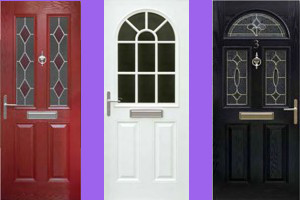
MS Windows and Doors also offers drip caps that have been pre-fabricated with an end dam. These drip caps are available in a range of colors and can be added to your window when you purchase your window.
While you're installing your new drip cap, be sure you put the head flashing under the sheathing that is above it. This is the same kind of flashing that's used to create the J channel on your exterior trim. It's a good idea to avoid tape covering all the length of the head flashing and only seal the corners.
The head flashing should be cut at a 45 degree angle on each corner, creating an elongated flap, then it's folded down and skipped taped again to the sheathing. This creates a small opening for water to flow through the WRB into the sheathing of the house above the window.
After you've fastened the drip cap to the sheathing, you can apply caulk to the top edge of the cap. This will prevent moisture from penetrating the wood of the window sill, the housewrap and siding above the window. Be aware that moisture could cause structural problems and wood rot, so it is recommended to keep moisture from entering the house.
Sash Weights
The weights on windows (also called sashweights, or sashlines) help to balance the sashes, preventing them from sliding when they are opened. The weights may need to be replaced or untangled when they're strung. It's also possible that counter balances need to be replaced.
The first thing Pam does is look at the exterior of the window to make sure there's not a lot of visible damage or rot that needs to be dealt with before she begins the work. If there are visible damage, she will have to do the necessary repairs prior to beginning the process of restoring the windows.
She starts by removing the stopper parting and interior sash stop on both sides of the window. This involves scoring the paint line on each side of the stop for the interior sash with a utility knife and prying it off with a woodworking tool. Pam says this step is essential since if you try to pound the stops off with a mallet, it can crack or split them. She suggests using a small woodworking tool that has a small blade.
After the stops are removed, she's now ready to remove the sashes themselves. She pulls the bottom sash out first, then the top. Pam lubricates the sash cords before pulling them out, so that they can move with ease. After the sashes have been removed, she can remove the sash cord and locate the hooks made of metal which attach to each sash weight. Usually, they are damaged and need to be replaced. Then, she takes one of the old sash weights from its pocket and screws in an entirely new one.
She weighs the sash using an scale and examines the weights. Then, sash window repair replaces the weight with an alternative that is equal to the weight of the sash. She repeats the process for the second sash, to ensure it is properly balanced. She applies a level after the sashes have been re-installed to ensure they're level. She also lubricates cords to allow them to slide more easily, and tightens the counterbalance hooks.